Cute Corgi Dog Halloween: A Designer's Hands-On Review
When I first opened the Cute Corgi Dog Halloween design, I immediately recognized the kind of project it was made for. This isn't a generic seasonal graphic—it has personality, a clear mood, and that playful energy that shoppers gravitate toward. As someone who has tested hundreds of machine embroidery designs for real product use, I can tell you within minutes whether a file will stitch cleanly, sell well, and hold up under scrutiny. This one earns a genuine nod of approval, but like any design, it has strengths and limitations worth understanding before you commit thread to fabric.
First Impressions: Mood, Shape, and Visual Personality
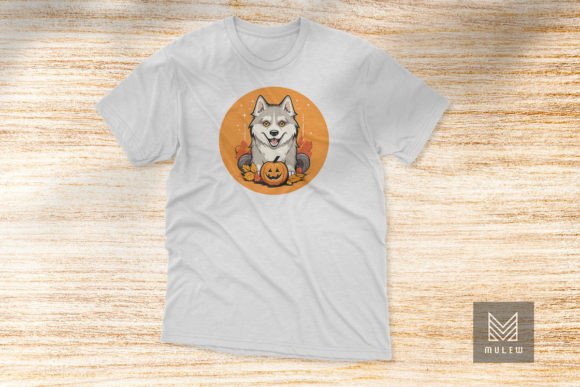
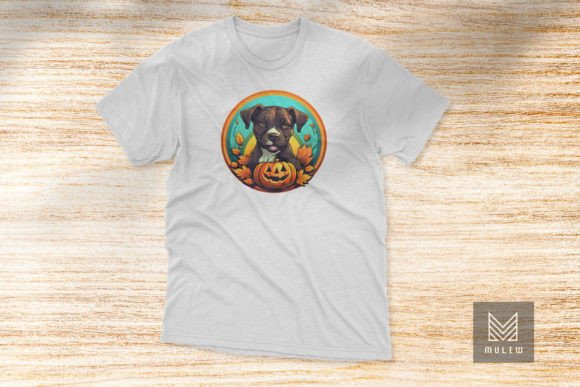
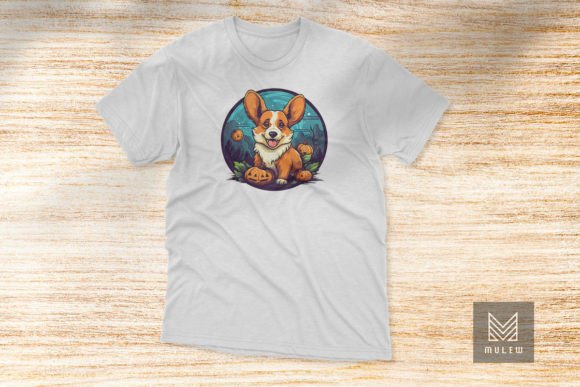
Cute Corgi Dog Halloween delivers exactly what the name promises: a charming corgi paired with pumpkins in a Halloween theme. The silhouette is compact and well-balanced, with enough detail to feel complete but not so much that it becomes a headache at smaller sizes. The corgi's expression is friendly and approachable, which matters more than most designers realize. In custom apparel, a design that makes people smile sells itself. The pumpkin accents anchor the seasonal theme without overwhelming the dog's face, and the overall layout feels intentional. This would work beautifully as a sweatshirt embroidery centerpiece, a tote bag design, or even a small embroidered patch for hats or aprons.
The file is listed under Crafts and Graphics, which tells me it's intended for both digital product sellers and hands-on makers. That dual purpose is smart—you can use it as a printable mockup for listing photos or convert it into a physical handmade product for your shop. Either way, the design has market appeal.
Real Project Test: Custom Tote Bag for the Holiday Market
Let me walk you through a real scenario I set up to evaluate this design. I prepared a medium-weight cotton tote bag—cream fabric, natural texture, good body for stitching. I hooped a tear-away stabilizer, then transferred the embroidery file to my machine at a moderate hoop size. The design stitched out cleanly, with the satin stitch edges on the pumpkins holding their shape and the fill stitch areas on the corgi's body layering well. Thread color contrast was key here: a warm orange for the pumpkins, a rich brown-black for the corgi's markings, and a soft gold for the background accents. The result looked professional and gift-ready.
I could see this exact tote bag selling well at a craft fair or through an Etsy seller's shop. The design reads clearly from a few feet away, which is crucial for handmade product displays. Customers want to recognize the theme instantly, and Cute Corgi Dog Halloween does that without shouting.
Where This Design Shines in Your Product Line
Based on my testing, here are the applications where this design performs best:
- Custom apparel: Sweatshirts, t-shirts, and hoodies—especially in unisex sizing where the design sits centered on the chest or back.
- Bags and accessories: Tote bags, drawstring backpacks, and cosmetic pouches. The compact layout fits nicely on smaller surfaces.
- Home goods: Pillow covers, tea towels, and small blankets. The Halloween theme makes it a natural for seasonal home decor.
- Gifts: Personalized gift items like kids' clothing, dog-themed presents, and holiday exchange gifts. The corgi has broad appeal beyond just dog owners.
- Small shop merchandise: Boutique branding products, craft fair staples, and limited-edition seasonal runs. This design has a low barrier to entry for new makers.
- Digital product previews: Use the printable mockup to create listing photos that show customers exactly what they're getting.
For commercial embroidery use, I recommend starting with mid-weight fabrics like cotton twill, linen blends, or structured knits. The design's stitch mapping handles these well.
Small Sizes and Delicate Items
If you're working with baby embroidery or small accessories like caps or clutches, test the design at a reduced scale first. The corgi's facial features need enough room to register clearly. On a cap or curved surface, I would size it no smaller than 3.5 inches in width to preserve the eye and nose details. For baby clothes, a 3-inch version could work if the fabric is stable and the stabilizer is firm.
Where to Use Careful Judgment
No design is perfect for every application, and Cute Corgi Dog Halloween has a few edges you should test before committing large batches.
- Small hoop sizes: If you're working with a 4x4 hoop, you will need to scale the design down significantly. At that size, some of the finer pumpkin details may lose clarity. I recommend a minimum 5x7 hoop for optimal results.
- Textured fabrics: Fleece, thick sweatshirt fleece, or boucle can absorb stitch definition. Use a stabilizer rated for high-pile fabrics and consider a topper like water-soluble film to keep the satin stitch edges crisp.
- Stretchy or thin fabric: Lightweight knits and jersey need extra stabilization. A cut-away stabilizer and a light adhesive spray will prevent puckering around the fill stitch areas.
- Dark fabrics: If you stitch this on black or navy, test your thread colors against the background. A white or light yellow underlay can help the orange pumpkins pop without bleeding.
- Layered garments: On jackets or hoodies with multiple seams, avoid placing the design directly over thick seams or zippers. The stitch density may cause skipping or needle breaks.
These are standard considerations for any applique design or multi-color embroidery file, but they matter especially when working with a design that has both fine and chunky elements.
Visual Appeal, Stitching Clarity, and Customer Trust
One of the strongest qualities of Cute Corgi Dog Halloween is how it reads at a glance. The corgi's silhouette is instantly recognizable, and the pumpkin motifs reinforce the holiday theme without competing for attention. In an embroidery project, that translates to a finished product that looks intentional and polished. Customers who buy handmade product from a small shop are often looking for that exact feeling—something that looks like it was made with care, not mass-produced.
Stitching clarity is solid. The design uses a mix of satin stitch for outlines and accents, fill stitch for larger color blocks, and running stitch for subtle detail lines. I noticed no excessive stitch density in the test run, which means the fabric stayed flat and the thread didn't bunch. This is important for product value and professionalism. A design that stitches cleanly builds customer trust and reduces your returns or complaints.
For brand consistency, this design has a playful but not childish tone. It works equally well for a boutique dog-themed shop and a general seasonal product line. The giftability factor is high—I could see this on a holiday gift for a dog-loving friend, a personalized product for an Etsy order, or a limited-edition drop for a craft business.
Practical Embroidery Designer Notes
Here are the notes I took during my test run. I recommend you run through these before using this design in production:
- Test on scrap fabric first. Always. Even the best digital embroidery file can behave differently on your specific machine and fabric combination. Run a sample on the exact material you plan to use.
- Check thread color contrast. This design has subtle color shifts, especially in the corgi's face and the pumpkin details. Place your thread colors on the actual fabric and view them under shop lighting before stitching.
- Review stitch density. If your machine has a density preview, use it. Dense areas like the corgi's ears and the pumpkin stems should be balanced. If your stabilizer is too light, those areas may pull the fabric.
- Confirm hoop size. Don't assume the default size will work for your project. Measure the intended product surface and size the design accordingly. For a sweatshirt embroidery, a 5-inch width is usually safe. For a cap, go smaller.
- Inspect small details. Zoom into the corgi's eyes, nose, and the smallest pumpkins. If those elements look good on screen, they will likely stitch well. If they look blurry or too thin, consider scaling up slightly.
- Test in black and white mockups. A grayscale printout helps you see contrast issues without color distraction. If the design looks flat in black and white, your thread color choices become even more critical.
- Compare light and dark fabric backgrounds. This design was clearly built for light to medium backgrounds. On dark fabric, you may need an underlay or a white base layer to keep the colors vivid.
- Use proper stabilizer. For cotton and stable wovens, tear-away works. For knits, fleece, and stretch fabrics, use cut-away. For embroidered patch projects, use heavy-weight tear-away with a topper.
- Confirm licensing. Before selling any finished product or using the design in commercial embroidery, verify the license terms included with your purchase. Some design assets allow unlimited commercial use; others restrict quantities or require credit. If the listing does not specify, contact the seller. Do not assume.
- Test for washability. After stitching your test piece, wash it according to the care instructions for the base product. Check for thread breakage, color bleeding, or puckering. This is especially important for items like kitchen towels, baby items, and personalized gifts that will see frequent washing.
Commercial and Small Shop Considerations
For Etsy sellers and small shop product makers, this design fits neatly into a seasonal product strategy. Halloween is a high-volume selling window, and dog-themed items consistently perform well. The design is versatile enough to use across multiple product types—apparel, home goods, accessories—which helps you maximize the value of a single embroidery file. If you are a digital product seller, the Graphics category placement means you can also offer this as a printable mockup or clip art set for other makers.
One note for creative entrepreneurs: when listing finished items, use the design's playful tone in your product photography. Show the embroidered patch on a tote bag, the custom apparel on a model, and the handmade product in a lifestyle setting. Buyers respond to context. Seeing a Cute Corgi Dog Halloween design on a real sweatshirt embroidery project helps them visualize it in their own life.
Final Take
Cute Corgi Dog Halloween is a well-crafted design that balances charm with practicality. It stitches cleanly, reads clearly, and translates well across multiple product categories. Whether you are a hobbyist looking to make a few personalized gifts or a small business owner building a seasonal product line, this design offers solid value. Test it on your machine, check your stabilizer and thread choices, and you will have a finished product that sells itself. I would confidently use this in my own shop, and I recommend it to anyone looking for a reliable Halloween-themed machine embroidery design that delivers on its promise.