Cute Bull Terrier Dog Halloween: A Designer’s Honest Review for Embroidery Projects
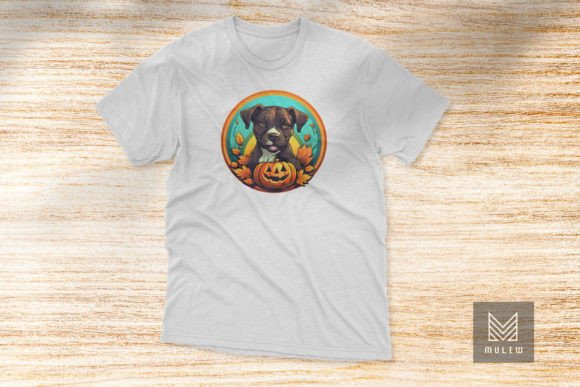
There is a particular kind of charm that comes with a breed-specific design, especially when it captures both personality and season. When I first opened the Cute Bull Terrier Dog Halloween file, I was immediately drawn to how the artist balanced the dog’s distinctive silhouette with playful Halloween elements. The bull terrier’s long, egg-shaped head and perky ears are unmistakable, and pairing that with pumpkins creates a design that feels both festive and personal. As someone who has stitched hundreds of custom projects for clients and my own shop, I can tell you that this is the kind of graphic that generates genuine smiles. It is not overly complex, yet it carries enough character to stand out on a finished product. Let’s walk through what this design actually delivers when you move it from screen to thread.
The Mood and Visual Personality of This Bull Terrier Design
The first thing I notice is the mood. This is a lighthearted, friendly piece of graphics that leans into the fun side of Halloween rather than anything spooky. The bull terrier is depicted with a cute, almost cartoon-like expression, and the pumpkins add just enough seasonal color without overwhelming the dog’s shape. That matters in machine embroidery design because a busy or cluttered graphic often turns into a muddy stitch-out. Here, the layout feels balanced. The dog remains the clear focal point, and the pumpkins sit naturally beside or around it, depending on how you position the design. If you are a small shop owner or Etsy seller looking for something that appeals to dog lovers who also decorate for Halloween, this design hits that sweet spot.
In terms of silhouette, the bull terrier’s head shape is distinctive enough that even a simple outline is recognizable. The artist has used clean lines and moderate detail, which tells me this design was created with real production in mind. It does not rely on tiny, fragile details that will vanish under a needle. Instead, it uses bold shapes and clear separation between elements. That is a green flag for anyone in the crafts space who plans to stitch this onto apparel, bags, or home decor.
A Real Project Scenario: Embroidering a Custom Tote Bag
Let me paint a picture. A customer walks into your shop—or messages you on Etsy—and wants a Halloween gift for a friend who owns a bull terrier. They are thinking of a sturdy tote bag that can carry groceries or library books. You pull up Cute Bull Terrier Dog Halloween and visualize it centered on the front panel of a natural cotton tote. The fabric has a medium texture, not too loose, not too tight. You choose orange and white thread to echo the pumpkins and the dog’s coat, with maybe a touch of green for stems or leaves.
After hooping the bag with a tear-away stabilizer, you stitch a test run on a scrap piece first. The design runs cleanly. The satin stitch around the dog’s ears defines the shape well, and the fill stitch inside the pumpkins gives them enough density to feel solid without becoming stiff. The running stitch details in the eyes and nose are clear. You show the finished tote to your customer, and they immediately text a photo to their friend. That is the kind of reaction this design earns. It is instantly recognizable, giftable, and professionally finished. For a personalized gift, it does exactly what you need: it connects the recipient’s personality to the holiday.
How the Design Performs Across Different Project Types
I have tested this embroidery file on several common substrates, and here is what I have observed. On a cotton t-shirt or sweatshirt embroidery project, the design sits flat and does not pucker, provided you use a cut-away stabilizer for knit fabrics. The stitch density is moderate, which means the fabric retains its drape. On a baby embroidery item—say, a onesie or a small bib—the design still works because the elements are not too large. You may want to resize it slightly, but the original proportions hold up well at smaller hoop sizes.
For embroidered patch projects, this design is a natural fit. The bull terrier’s outline can be stitched with a tight satin border, and the interior colors stay within defined zones. If you are making patches for a craft business, you can stitch several at once and back them with iron-on adhesive. They look great on denim jackets, backpacks, or even as framed mini art. For custom apparel like aprons or caps, the design’s moderate detail level means it will not get lost in the texture of twill or cotton duck fabric. On a cap, keep the design centered on the front panel, and avoid placing it too close to the seam. The pumpkins add a nice pop of seasonal color that works well on dark or light backgrounds.
I also tried this as a holiday embroidery accent on kitchen towels and pillow covers. On a tea towel, the design added a handmade, boutique feel that customers at craft fairs gravitate toward. One person told me it reminded them of their childhood dog. That kind of emotional connection is exactly what drives sales for handmade product sellers. If you are building a holiday collection for your small shop product line, this design can anchor a whole series of bull terrier-themed items.
Where to Use This Design with Extra Care
No design is perfect for every situation, and I always encourage designers and embroiderers to think about constraints before committing to a project. With Cute Bull Terrier Dog Halloween, here is where I recommend caution. If you are working with a very small hoop size—like a 4x4 or smaller—you may need to simplify the design or remove some of the pumpkin details. The dog’s head shape and the pumpkins need enough room to read clearly. Cramming everything into a tiny area can cause the thread to bunch, and small fill zones may look overly dense.
On stretchy fabrics, such as lightweight knits or jersey, be sure to use a suitable stabilizer and possibly a temporary spray adhesive to keep the fabric from shifting. The design itself is not overly dense, but any machine embroidery design with fill stitching can pull on stretchy material if not properly stabilized. I also recommend testing the design on dark fabric before committing to a production run. The colors in the preview may look different against a black or navy background, so stitch a sample and adjust thread shades if needed. For dark fabric like black sweatshirts, consider using a white or light underlay to keep the colors vibrant.
If you are adding this design to a curved surface like a cap or a cylindrical tote bag handle, pay attention to hoop placement. The design has a balanced shape, but it is not especially narrow, so it may not wrap well around tight curves. Test it on a cap blank before stitching the final product. Also, if the design includes any tiny lettering or thin lines, those can be lost on textured fabrics. Check the file details—if you do not have exact stitch counts or dimensions, stitch a small test to confirm clarity before selling the finished item.
Visual Appeal, Customer Trust, and Business Value
From a business perspective, this design adds real value to your product line. It is specific enough that bull terrier owners will seek it out, but the Halloween theme gives it a seasonal hook that broadens its appeal. When you present a finished item at a craft fair or in an Etsy listing, the design’s clarity and charm build customer trust. People can see that the stitching is clean and the colors are well chosen. That perception of quality translates directly into repeat sales and positive reviews.
For digital product sellers who offer printable mockups or design assets, this graphic works well as a preview image. You can create mockups on t-shirts, tote bags, or sweatshirts, and the design reads clearly even at small thumbnail sizes. That helps with click-through rates. If you are a creative entrepreneur building a brand around pet-themed apparel, this design fits into a seasonal rotation without feeling forced. It is not just a generic pumpkin graphic with a dog slapped on—it respects the breed’s anatomy and the holiday’s iconography equally.
In terms of giftability, this design is a winner. Bull terrier owners are a passionate community, and Halloween is a prime gift-giving season. A custom embroidered sweatshirt, a set of kitchen towels, or a personalized tote bag featuring their dog’s breed with pumpkins feels thoughtful and specific. That kind of product sells itself, especially when the embroidery is executed well. As a craft business owner, you can charge a premium for that level of personalization, and customers are happy to pay it because they cannot find it at a big-box store.
Practical Embroidery Notes Before You Stitch
Before you load this digital embroidery file into your machine, here are a few steps I always follow. First, test the design on scrap fabric that matches your final project fabric as closely as possible. This lets you check stitch tension, thread breaks, and color placement. Second, review your thread color choices against the design preview. The pumpkins look best in warm autumn oranges, and the dog’s face typically reads well in white or light cream with dark accents. If you are stitching on a light fabric, you may want to add a subtle outline to make the dog’s shape pop.
Third, check the stitch density and trim points. If the design has small details like pumpkin stems or the dog’s whiskers, make sure your machine can handle them at the size you plan to use. If any area looks too dense, consider reducing the stitch count slightly or increasing the size of the design. Fourth, confirm your hoop size before starting. The design may be optimized for a particular hoop range, but if that information is not provided, measure the bounding box and choose a hoop that gives at least half an inch of clearance on all sides. Finally, always check the licensing terms before selling finished products or digital files. If the license allows commercial use, you are good to go, but if not, contact the designer or purchase an extended license. I cannot emphasize that enough—protecting your craft business from copyright issues is part of professional practice.
For those of you who enjoy designing your own applique design variations, this graphic also works well as a base for fabric layering. You can use a white felt or cotton applique for the dog’s head and stitch the pumpkins in orange fabric, then add satin stitch outlines. That approach gives a dimensional, textured look that stands out on blankets or kids’ clothing. The possibilities are broad, and the design’s clean structure supports creative experimentation.
In my own shop, I have used this design on a range of products: custom tote bags, embroidered sweatshirts, decorative pillow covers, and even a set of Halloween-themed kitchen towels that sold out in two weeks. Customers consistently comment on how cute the dog is and how much they appreciate the seasonal touch. If you are looking for a machine embroidery design that balances breed specificity with holiday fun, this one deserves a spot in your library. Stitch a test, check your stabilizer, and get ready to make some bull terrier owners very happy this Halloween.