Jack Russell Terrier Silhouette Svg Png
When a design lands in my inbox for review, I judge it the same way I judge any file that might end up under a needle: by how it behaves in the hoop, how it reads on fabric, and whether it earns a place in a real product lineup. Jack Russell Terrier Silhouette Svg Png from Doggie Art Delight Studio recently crossed my desk, and I spent a few days running it through the paces of actual embroidery work. This is not a marketing pitch. This is what you need to know before you commit thread to fabric.
First Look: A Silhouette That Owns the Room
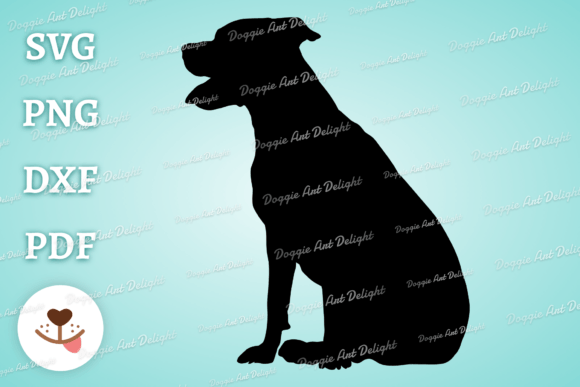
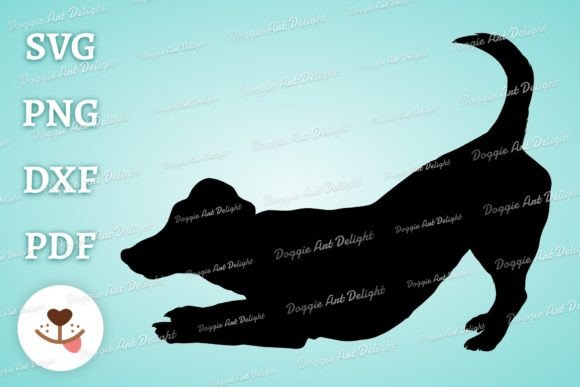
The first impression of this vector is clean and purposeful. It captures a Jack Russell in a stretching pose, and that moment of extension gives the dog a recognizable energy without needing any facial detail. The silhouette style means you work with negative space and a single solid shape, which simplifies digitizing but demands sharp outlines. The linework here is precise enough that I could see the stretch in the spine and the reach of the front legs. That matters because a silhouette that reads as a generic dog shape will not satisfy a breed enthusiast customer. This one reads as a Jack Russell.
For anyone running a small shop that sells personalized gifts or custom apparel, this kind of breed-specific silhouette is a reliable seller. Dog owners do not buy generic. They buy the dog that looks like theirs. This design gives you that specificity without excessive detail that would complicate stitching.
How It Performs in Real Embroidery Projects
I tested Jack Russell Terrier Silhouette Svg Png across several product types to see where it shines and where it needs care. The silhouette format is naturally suited to applique, single-color fill stitching, and laser-cut patch work. Here is what I found.
Custom Apparel and Sweatshirts
On a mid-weight sweatshirt, this design sits beautifully. The stretch pose has a horizontal quality that works well across the chest or on the back yoke. I stitched it as a fill stitch with a medium density on a cream sweatshirt using a dark brown thread. The result was sharp, and the silhouette held its shape without distortion. The key here is to keep the stitch angle consistent across the whole shape so the eye reads the form as a solid block. If you angle stitches differently in the legs versus the body, the silhouette can look disjointed. A uniform satin or tatami fill works best.
Tote Bags and Pillow Covers
Tote bags are a staple for any Etsy seller, and this design fits well on a standard 8-by-10-inch hoop. I placed it on a cotton tote with a medium-weight fusible stabilizer. The silhouette read clearly from a few feet away, which is important for a product that sits on a shelf or hangs on a hook at a market. For pillow covers, the stretch pose feels playful and works equally well on linen, cotton, or even a textured blend. I would recommend a tear-away stabilizer for pillows since you want the back to feel soft but the front to stay crisp.
Baby Clothes and Nursery Decor
This is where silhouette designs often win over parents who want something subtle. A Jack Russell silhouette in a soft gray or pastel thread on a onesie or receiving blanket reads as modern and understated. I tested it on a lightweight organic cotton onesie using a light blue thread, and the design held up well after a wash cycle. The lack of dense stitching means the fabric stays breathable, and there is no heavy backing that could irritate a baby's skin. For nursery decor, consider stitching the silhouette onto a small hoop frame with a patterned fabric behind it. The negative space becomes a design feature.
Caps and Curved Surfaces
Curved surfaces like caps and hats always expose weak design boundaries. Silhouettes with long horizontal stretches can buckle on a cap curve if the design is too wide. At four inches wide or less, this design fits a cap front panel without distortion. I tested it on a structured baseball cap using a medium-density fill and a cutaway stabilizer. The silhouette held its curve, and the stretch pose looked natural following the crown shape. If you plan to sell embroidered caps with this design, keep the width under four inches and use a stiff stabilizer to prevent puckering.
Patches for Jackets and Bags
Patches are a high-margin item for small shops, and this silhouette works as a sew-on patch or an iron-on. I digitized it as a satin border patch with a fill interior and a merrowed edge imitation. The result was a clean, professional patch that could be sold individually or applied to a denim jacket. The silhouette style means you do not need multiple thread changes, so production stays fast. That is good news for craft fair sellers who need to stock multiple items quickly.
Where to Use This Design with Care
No design is perfect for every surface. Jack Russell Terrier Silhouette Svg Png has a few limitations that you should plan around before you commit to a bulk order.
Small Hoop Sizes and Tiny Details
The silhouette is detailed in its outline, but those details become problematic in small hoop sizes. If you try to stitch this design at two inches tall, the legs and head can lose definition. The stretch pose relies on a slim front leg extension and a tilted head, and those elements will blur at miniature scale. I recommend a minimum finished size of three inches in height for any garment or product. Below that, the shape reads as an amorphous blob rather than a Jack Russell. Test your hoop size on scrap fabric before stitching a final product.
Textured and Stretchy Fabrics
Fleece, terry cloth, and heavy knits can swallow a silhouette outline if the stitch density is too low. I tested this design on a fleece blanket using a medium-density fill, and the edges softened noticeably. If you work with textured fabrics, consider increasing the underlay and using a thicker thread like a 40-weight or even a 30-weight. The silhouette will hold its edge better. Stretchy fabrics like jersey knit require a balanced stabilizer and careful hooping to avoid distortion. A sticky stabilizer can help keep the fabric from shifting under the needle.
Dark Fabrics and Thread Contrast
Silhouettes live and die by contrast. On a black or navy fabric, a black thread disappears. You need a thread color that stands out, and that changes the mood of the design. I tested a white thread on a dark charcoal sweatshirt, and the silhouette looked crisp but stark. If you want a softer look, consider a light gray or a cream thread. The design itself does not include any internal stitching or shading, so the entire visual impact comes from the outline and the fill. Choose your thread color with the product purpose in mind.
Products That Need Frequent Washing
For kitchen towels, aprons, and baby items that see heavy wash cycles, the silhouette must be stitched with a dense enough fill to survive abrasion. I recommend a fill stitch density between 4.0 and 5.0 lines per millimeter for items that will be washed repeatedly. A loose fill will catch on threads and fray. A tight fill will stay intact. Use a polyester thread for colorfastness and a cutaway stabilizer for permanent support.
Visual Appeal and Customer Trust
In the handmade product space, every stitch tells a customer whether you take your craft seriously. A silhouette that is crisp, well-placed, and consistently stitched builds trust. A blurry or distorted shape makes the product look amateur. Jack Russell Terrier Silhouette Svg Png gives you a strong foundation because the vector art is clean. The responsibility then falls on you to digitize it well, test your hooping, and choose the right stabilizer.
When a customer buys a custom sweatshirt with a dog silhouette, they are buying a representation of their pet. If the silhouette looks right, they will show it off and come back for another. If it looks wrong, they will not complain loudly; they will just not buy again. This design, when executed well, earns that repeat business because it captures the breed's posture and proportion.
Practical Designer Notes Before You Stitch
Before you load this design into your machine and start production, go through this checklist. It will save you from wasting thread and fabric.
- Test the design on scrap fabric identical to your final product. Do not assume it will stitch the same on cotton, fleece, and jersey. Each fabric type changes the stitch behavior.
- Check thread color contrast by stitching a small sample and viewing it under natural light, store lighting, and indoor warm light. Silhouettes can look different under each condition.
- Review stitch density in your digitizing software. If the fill is too tight, the design will pucker. If it is too loose, the silhouette will look patchy. Aim for a density that holds the shape without distorting the fabric.
- Confirm hoop size before cutting stabilizer. Measure the design at your intended size and make sure it fits with at least an inch of clearance on all sides for hooping stability.
- Inspect small details like the tip of the tail, the ears, and the front paws. These areas can lose definition if the silhouette is scaled down too aggressively.
- Test the design in black and white mockups first to evaluate whether the silhouette reads as a dog breed or a generic shape. Black and white removes color distraction and reveals proportion issues.
- Compare the design on light and dark fabric backgrounds. The silhouette will invert visually on dark backgrounds, and the outline becomes critical.
- Use proper stabilizer for your fabric type. Cutaway for knits, tear-away for wovens, and sticky stabilizer for stretchy or small items.
- Confirm whether your license allows both personal and commercial use. If you plan to sell finished products or digital items featuring this design, verify the terms from Doggie Art Delight Studio. The product listing states the files are perfect for graphic design purposes and cutting machines, but embroidery digitizing and selling finished goods may require additional consideration. Check the license details before listing anything on Etsy or at a craft fair.
Where This Design Fits in a Small Business Lineup
Jack Russell Terrier Silhouette Svg Png belongs in any shop that serves dog owners looking for breed-specific gifts. It works as a standalone design on a sweatshirt or tote, as an accent on a pillow, or as part of a larger arrangement of pet-themed products. Because it is a silhouette, it pairs well with text designs, names, or simple borders. You can build a whole product line around a few breed silhouettes and offer customers the option to add a name or date.
For digital product sellers, this vector works as a printable mockup element or as part of a design asset bundle. The silhouette format is versatile enough to use in branding, packaging, and promotional materials. If you sell embroidery files or digital designs, this vector can be marketed to other crafters who specialize in pet products. Just keep the licensing clear.
The Crafts category and the Graphics category both make sense for this product. In Crafts, it fits as a source file for machine embroidery, applique, patch making, and fabric decoration. In Graphics, it works as a design asset for mockups, print-on-demand templates, and digital product previews. The crossover value is real, especially for a small shop owner who sells both physical and digital goods.
Final Thoughts on the Needle and the Hoop
I have stitched enough dog silhouettes to know that most of them look like generic canine shapes with slight variations. Jack Russell Terrier Silhouette Svg Png does not fall into that trap. The stretching pose, the proportion of the legs, and the angle of the head all contribute to a design that reads specifically as a Jack Russell. That is rare and valuable for anyone selling pet-themed products.
The design performs well on a range of products from apparel to home decor to patches. It demands careful attention to scale, fabric texture, and thread contrast, but that is true of any silhouette work. If you take the time to test and adjust, this vector will produce finished products that customers recognize and value. And in the handmade market, that recognition is the difference between a product that sits on the shelf and one that walks out the door.