Hunting Dog and Gun
When I first opened the folder for Hunting Dog and Gun, I was looking for a design that could pull double duty on a custom order. A client wanted a gift for a seasoned hunter, something that felt personal but not overly sentimental. The idea was a sturdy canvas tote bag, maybe a matching sweatshirt, and a small embroidered patch for a hat. I needed a single graphic that would look right across all three products without losing its character. That is when I reached for this file set, and I have been testing it with real projects ever since.
First Look and the Mood It Carries
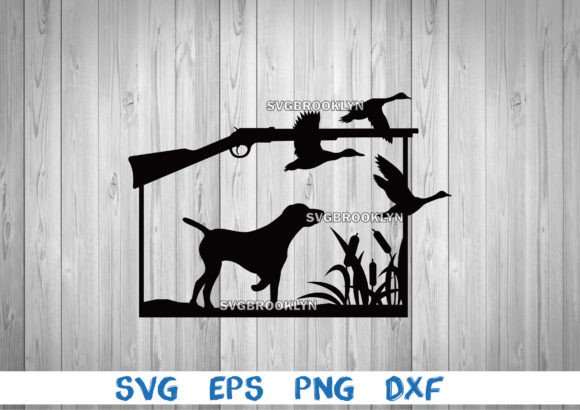
Hunting Dog and Gun has a grounded, outdoorsy feel that immediately makes you think of early mornings in the field and loyal working dogs. The composition is straightforward: a hunting dog in profile, attentive and alert, paired with a long gun. There is no clutter, no extra ornamentation trying to dress it up. The silhouette is clean, and the overall shape leans horizontal, which gives it a natural sense of motion. The dog carries the emotional weight here, while the gun reads as a practical tool. Together they create a balance that feels respectful toward the hunting tradition without being cartoonish or overly aggressive.
From a designer perspective, the visual personality is honest and utilitarian. This is not a design meant for frilly holiday decor or soft nursery themes. It belongs on products that serve a purpose, things that get worn, carried, and used regularly. The line quality is consistent, and the detail level stays moderate, which is exactly what I look for when I am planning to stitch a design across multiple fabric types. Too much detail and you lose clarity on textured fabrics. Too little and the design feels unfinished. Hunting Dog and Gun sits in a sweet spot that gives you room to work with different thread colors and stabilizers without fighting the art itself.
How It Performs in Real Embroidery Projects
I tested Hunting Dog and Gun on a few different product types to see how it held up. The first was a heavy cotton sweatshirt, a classic choice for custom apparel aimed at hunters. The design stitched out cleanly with good edge definition. The dog’s head and the gun barrel both registered clearly even after a few washes. I used a medium-weight cutaway stabilizer and a basic 40-weight polyester thread, nothing fancy, and the design stayed sharp.
Next I moved to a canvas tote bag. This is where the design really shined. The canvas took the stitches well, and the horizontal shape of the graphic fit naturally across the bag front. I did a quick mockup with a contrasting thread color, a warm rust orange against dark olive fabric, and the entire mood shifted. The same design looked rugged and refined at the same time. That is the kind of versatility that makes a design asset worth keeping in your library.
I also tested it as a small embroidered patch on a cap. The curve of the hat required some careful hooping, but the design itself did not distort badly. The dog’s profile stayed recognizable, and the gun did not lose its shape. For anyone running a small shop or an Etsy store, this is a design that can be listed on multiple product types without needing to rework the art every time. That saves real hours when you are building out a collection.
Where This Design Fits Best
In my experience, Hunting Dog and Gun works naturally on custom apparel like sweatshirts, t-shirts, and hoodies. It also fits well on tote bags, aprons, and canvas accessories. If you are producing merchandise for a hunting lodge, a sporting goods brand, or a local outdoor event, this graphic gives you a professional look without needing a lot of extra styling. It also works for personalized gifts, especially for someone who values time spent outdoors with their dog.
For small business owners and Etsy sellers, this design is a strong candidate for embroidered patches. You can stitch a batch, back them with adhesive or sew-on backing, and offer them as standalone products or as add-ons to hats and bags. Patches are one of the easiest ways to test a new design with your audience because the production cost is low and the turnaround is fast.
I also see potential in holiday and seasonal products. A limited run of embroidered pillow covers or tea towels featuring Hunting Dog and Gun could appeal to customers looking for rustic, masculine decor. The design is not tied to any specific holiday, so it can be produced year-round without going out of season.
Where to Use Careful Judgment
No design is perfect for every surface, and Hunting Dog and Gun has a few areas where I recommend caution. The gun barrel and the dog’s legs contain narrow lines that could be lost on very stretchy fabrics like lightweight jersey knit. If you are embroidering on a thin t-shirt, use a firm stabilizer and test the stitchout on a scrap piece first. The same caution applies to dark fabrics where the thread color might not pop enough. I found that light or medium contrast threads worked best, especially tan, rust, olive, or cream.
Small hoop sizes can also be a challenge. If you are working with a 4x4 hoop, you may need to scale the design down, and that could cause the finer details to blur together. I recommend checking the stitch density and the minimum size of the detail areas before committing to a small product like a baby onesie or a cap front. The design is not overly dense, but like any graphic with a narrow profile, it needs enough room to breathe.
For curved surfaces like caps or rounded pillow forms, take extra time with hooping and alignment. The horizontal orientation of the design means it can shift if the fabric is not pulled evenly. A well-placed basting stitch will save you from having to rip out a misaligned design later.
Visual Appeal, Product Value, and Customer Trust
When a customer buys a handmade product with an embroidered design, they are paying for precision and care. Hunting Dog and Gun delivers a look that feels intentional. The clean lines and balanced composition make the finished product look like it was designed by someone who understands how thread behaves on fabric. That translates directly into customer trust. When you sell a tote bag or a sweatshirt with this design, the buyer can see that the artwork was chosen with thought, not just picked because it was trending.
From a branding perspective, this design works well for businesses that want to project a rugged, reliable image. It is not flashy, and that is its strength. It says that the maker knows their audience. For boutique shops and craft fair vendors, that kind of grounded professionalism sets you apart from sellers who use generic clip art or poorly converted graphics.
Giftability is another factor. A custom embroidered item featuring Hunting Dog and Gun feels personal without being presumptuous. It is easy to picture as a birthday gift, a holiday present, or a thank-you for a hunting guide. The design does not rely on a specific inside joke or a niche reference, so it works for a wide range of recipients who share a love for the outdoors.
Practical Designer Notes Before You Sew
Before you load this design into your machine and start stitching, there are a few steps I always take with a new graphic. First, I test it on scrap fabric that matches the final product material. I use the same thread, the same stabilizer, and the same hoop size. This gives me a realistic preview of how the design will behave. I also check the contrast by viewing the design in black and white, both on screen and as a printed mockup. This helps me see whether the dog and the gun read as separate shapes or if they blend together.
I recommend checking the stitch density before you commit to a large production run. The product description does not list specific stitch counts or hoop sizes, so you will need to load the file into your embroidery software and verify those numbers yourself. If the density is higher than expected, consider using a lighter stabilizer or a smaller needle to avoid fabric distortion. If the density is low, you may want to add a backing layer to keep the stitches from pulling on thin fabric.
Thread color choice matters more for this design than it might for a floral or geometric pattern. The design is built around a single subject, so the thread color defines the entire mood. I tested it with black thread on light fabric, and it looked clean and classic. I also tested it with a dark brown thread on a cream sweatshirt, and it felt warmer and more natural. Avoid using a thread color that is too close to the fabric tone, because the dog and gun will disappear into the background.
For anyone planning to sell finished products featuring this design, take a moment to confirm the licensing terms that came with your purchase. The file set includes SVG, EPS, DXF, and PNG formats, which are organized neatly per folder. The PNG has a transparent background at 300 dpi, which is excellent for printable mockups and digital product previews. The SVG and EPS formats are vector-based, so they scale cleanly for larger applications like screen printing or large-format embroidery. The DXF format is useful if you work with cutting machines or need to convert the design into a stitch file for certain embroidery systems. But remember, the licensing for personal use versus commercial use can vary, and it is your responsibility to know what you are allowed to do with the finished products.
The Bottom Line for Makers and Sellers
Hunting Dog and Gun is a solid addition to any embroidery designer’s library, especially if you work with outdoor-themed products, custom apparel, or personalized gifts. It performs well on medium to heavy fabrics, scales reasonably for different product types, and gives your customers a professional look that holds up after washing. The design is not overly complex, which means fewer thread breaks, less tension troubleshooting, and happier production days.
If you are an Etsy seller or a small shop owner looking for a dependable graphic that you can use across multiple listings, this is worth testing. The file formats are organized and ready to use, and the 300 dpi transparent PNG makes it easy to create mockups without spending extra time cutting out backgrounds. Just remember to do your own stitch test, check your hoop size, and confirm your licensing before you start selling. A little preparation on the front end will save you from headaches later, and your customers will notice the difference in the finished product.
I will keep using Hunting Dog and Gun in my own projects, especially for canvas totes, sweatshirts, and embroidered patches. It is the kind of design that earns its place in your rotation because it works, and it keeps working, project after project.