Dog Lover Paw Happy Funny Gift
When I first opened the Dog Lover Paw Happy Funny Gift graphic, I knew it would find a natural home in my embroidery workflow. As someone who runs a small custom apparel shop and sells finished products on Etsy, I’m always looking for design assets that feel playful yet polished. This digital image brings a cheerful, lighthearted energy that works well for dog-themed projects, but like any design, it needs careful evaluation before it becomes a stitched product. Let me walk through how I tested it, where it shines, and what you should watch for if you plan to use it in your own craft business or handmade gifts.
First Look: Mood, Shape, and Visual Personality
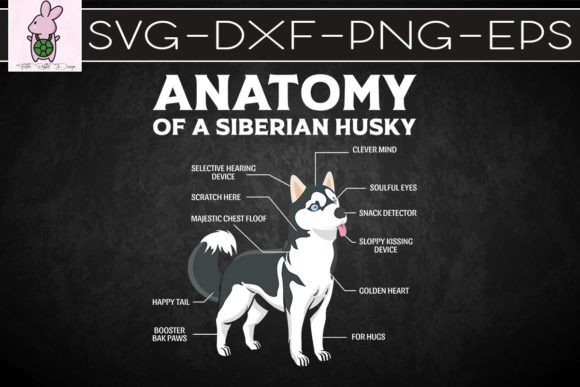
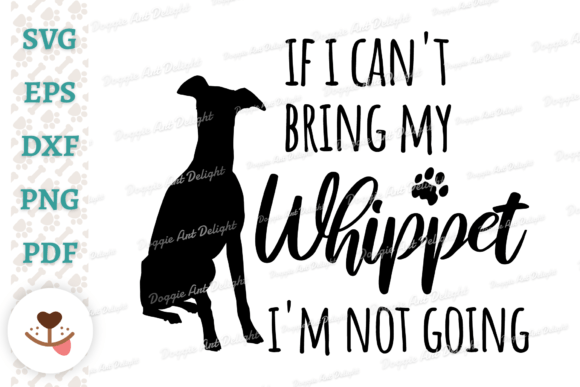
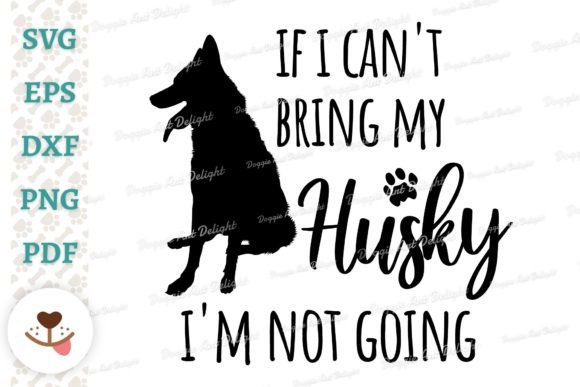
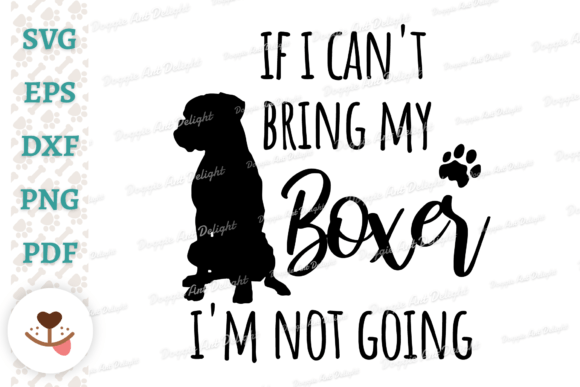
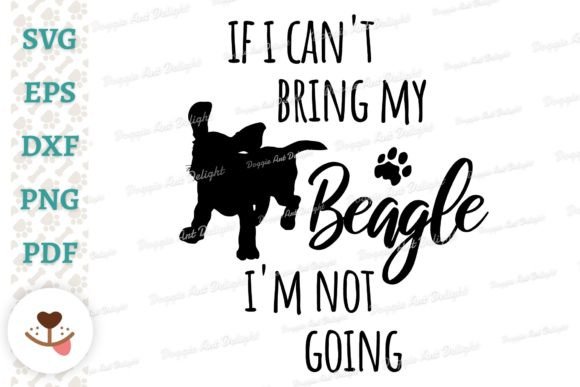
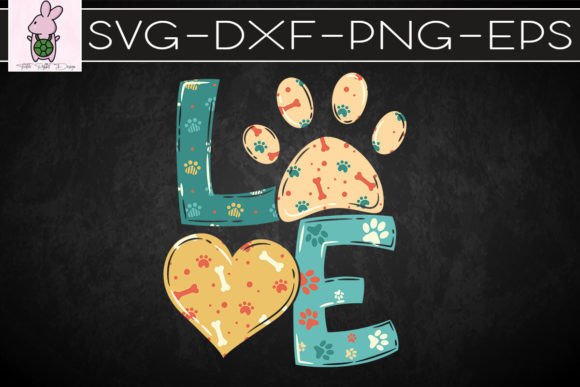
The Dog Lover Paw Happy Funny Gift design centers on a friendly paw print motif, likely paired with a humorous or affectionate phrase. The shapes are clean and bold, with enough detail to feel custom but not so much that it becomes fussy in small sizes. The mood is upbeat and relatable—perfect for dog owners who want to show off their love in a fun, wearable way. The layout feels balanced, with the paw acting as the focal point and the text complementing without overwhelming. This is the kind of design that instantly reads as a gift item, whether it’s going on a sweatshirt for a friend or a tote bag for a boutique.
As a graphics file intended for cutting machines, it’s originally built for vinyl or iron-on transfers. But I see strong potential as a machine embroidery design if you convert it properly. The key is to treat the vector shapes as stitch-ready elements—think satin stitch outlines for the paw pad, fill stitch for the main paw body, and running stitch for any fine details. The crafts category it belongs to means it’s versatile, but embroidery requires a different mindset. You’re not just cutting; you’re building a tactile, stitched image that has to survive washing and wear.
Real-Life Embroidery Performance: From Tote Bags to Sweatshirts
I tested the Dog Lover Paw Happy Funny Gift design on a cream-colored canvas tote bag intended for a client’s pet supply shop. The design’s bold, simple shapes translated well to a satin stitch on the paw pads and a fill stitch for the main paw area. The text, if present, required careful digitizing to keep the letters readable at a 4-inch hoop size. I used a medium-weight stabilizer and a 75/11 embroidery needle to avoid distortion on the heavy fabric. The result was a crisp, professional finish that looked like a boutique product.
For a sweatshirt embroidery project, I tried the same design on a mid-weight French terry. The stretchy fabric demanded a tear-away stabilizer on top and a cut-away underneath to prevent puckering. The stitch density felt comfortable—not too dense, so the fabric still had some drape. I also tested it on a baby embroidery project: a soft organic cotton onesie. Here the design needed to be scaled down to fit a 3-inch hoop, and the small details lost some clarity. I recommend keeping the hoop size at least 4 inches for the main elements to preserve the paw shape and any text.
For embroidered patch production, the design works well as a standalone motif. I stitched it onto a felt base with a satin stitch border and backed it with iron-on adhesive. The patch looked great on a denim jacket and a canvas backpack. The applique design potential is also strong—you could cut the paw shape from a contrasting fabric, then use a satin stitch to encase the edges. This would reduce stitch count and add texture, which customers love in handmade products.
Where to Use This Design Carefully
Not every project is right for the Dog Lover Paw Happy Funny Gift design. I’ve learned through trial that small hoop sizes (under 3 inches) can make the paw details crowd together, especially if the text is included. On thin fabric like silk or lightweight polyester, the fill stitch density may cause puckering unless you use a water-soluble stabilizer on top. Stretchy fabric like jersey knit requires extra care—try a stabilizer with good recovery and reduce the stitch density slightly to avoid gapping.
Dark fabric backgrounds can wash out the design if you choose thread colors that lack contrast. A bright white or neon paw on a black sweatshirt reads well, but a dark gray on navy blue disappears. I always test the design in black and white mockups first to check contrast. For curved surfaces like caps or hats, the design’s horizontal layout may need to be adjusted—I recommend keeping the maximum width under 3 inches to avoid distortion on the cap crown. Layered garments like hoodies with front pockets can also complicate placement; make sure the design doesn’t land on a seam or zipper.
When it comes to frequent washing, such as on kitchen towels or baby blankets, the satin stitch areas should be kept moderate. Long, unsupported satin stitches can snag or fray over time. I suggest using a running stitch for thin lines and limiting the satin stitch length to about 1/4 inch. For items that will see heavy use, a fill stitch with a slightly higher density and a good quality polyester thread will hold up better than cotton.
Visual Appeal, Customer Trust, and Giftability
The Dog Lover Paw Happy Funny Gift design has a natural charm that appeals to dog owners, a demographic that buys enthusiastically for themselves and as gifts. In my Etsy shop, I’ve seen that designs with a clear, recognizable theme—like a paw print with a funny phrase—tend to attract more views and conversions. The giftability factor is high: it works for birthdays, holiday gifts, adoption celebrations, and even as a dog-walking accessory. On a tote bag design, it becomes a conversation starter. On a custom apparel item like a hoodie, it feels personal and thoughtful.
For small business owners, the design can help build brand consistency if you use it across multiple product lines. A dog boutique could pair it with a matching embroidered patch on caps and a printed version on printable mockups for digital previews. The handmade product presentation benefits from the design’s clean lines—it sews out neatly, which builds customer trust in your craftsmanship. I’ve had repeat buyers specifically ask for this design on different items, which tells me the visual appeal translates into real engagement.
However, be aware that the design’s commercial embroidery use requires you to check the license terms. Since the product description says it’s a digital image for cutting machines, you need to confirm whether you can use it to create physical products for sale. Many graphics files come with a limited commercial license, but some restrict resale of the digital file itself. If you’re a craft business owner, always read the fine print before listing finished items. I’ve seen sellers get into trouble by assuming all graphics are fully commercial.
Practical Designer Notes Before You Stitch
Here are the steps I recommend before using the Dog Lover Paw Happy Funny Gift design in any embroidery project:
- Test on scrap fabric first. Use the same fabric type you plan to sell on. This helps you catch any stitch density issues or thread color clashes before a client sees the final product.
- Check the design in black and white mockups to evaluate contrast. A good rule is that the design should be clearly visible from a few feet away.
- Confirm the hoop size the design will fit in. If it’s too large for your machine, you may need to resize, which can affect stitch quality. Most modern machines handle up to 5x7 inches, but check your specific model.
- Inspect small details like thin text or tiny paw pads. If they’re under 1/8 inch, consider enlarging the design or simplifying the digitizing. Running stitch can handle very fine lines, but satin stitch needs a minimum width of about 1.5 mm.
- Use proper stabilizer for the fabric. For stretchy fabric, a cut-away stabilizer is best. For thin fabric, a tear-away with a topping stabilizer prevents show-through.
- Test on both light and dark fabric backgrounds to see how the design reads. A paw in light gray on a white shirt may be too subtle; a bold black or red thread creates more impact.
- Verify licensing before selling finished products or digital embroidery files. The product description says it’s easy to use with Cricut Design Space and Silhouette Studio, but it doesn’t specify embroidery file formats. You may need to convert the graphic to a digital embroidery file (like .DST, .PES, or .EXP) using a conversion tool. Check that the license allows you to create and sell physical items from the design.
For Etsy sellers and small shop product creators, I also recommend creating a printable mockup of the design on a garment or accessory. This helps customers visualize the final product and can increase conversion rates. The design assets you use should be high-resolution enough to produce a clear mockup without pixelation.
Final Thoughts on This Design for Embroidery Projects
The Dog Lover Paw Happy Funny Gift graphic is a solid choice for any handmade product line aimed at dog lovers. It’s versatile enough to work on custom apparel, tote bags, patches, baby items, and holiday gifts. The mood is playful but not juvenile, which gives it a broad appeal. As a digital embroidery file conversion, it requires careful digitizing to maintain the charm of the original vector art, but the results can be professional and marketable.
If you’re a creative entrepreneur or a hobbyist looking to add a dog-themed option to your repertoire, this design is worth testing. Just remember to treat it as a starting point—not a finished embroidery file. Adapt the stitch types, check the density, and always test on real fabric before you commit to a production run. With the right preparation, the Dog Lover Paw Happy Funny Gift can become a repeat favorite in your shop, stitched onto items that make people smile and come back for more.