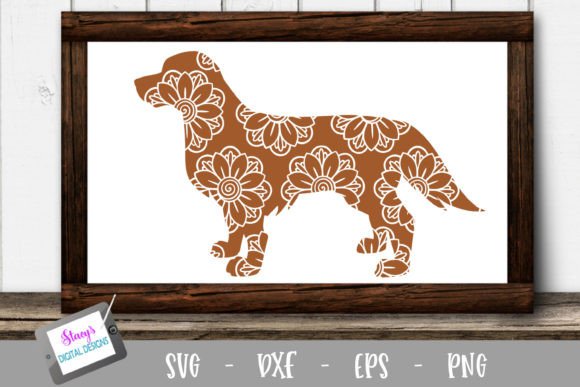
Dog Labrador with Mandala Pattern
When I first opened the Dog Labrador with Mandala Pattern file set, I was immediately struck by how the design balances two distinct visual personalities. On one side, you have the warm, approachable presence of a Labrador retriever—friendly, loyal, the kind of face that makes people smile. On the other side, the floral mandala elements bring a layer of intricacy and elegance that elevates the design beyond a simple pet portrait. This is not a cartoon dog or a generic silhouette. It is a thoughtful composition that feels both personal and decorative, which makes it a strong candidate for a wide range of embroidery projects.
The layout is centered and symmetrical, with the Labrador positioned within a circular mandala frame. The floral details radiate outward, creating a natural border that frames the subject without overwhelming it. The linework is clean, and the shapes are well-defined, which gives me confidence that the design will translate well into stitches. In my experience, mandala-style embroidery designs can sometimes become muddy when the detail density is too high, but this one strikes a reasonable balance. The Labrador remains the focal point, and the mandala serves as an ornamental backdrop rather than a competing element.
Real Project Use: From Digital File to Finished Product
To put this design through a practical test, I prepared a custom embroidered tote bag for a client who wanted a gift for a Labrador-loving friend. The tote was medium-weight cotton canvas in a natural cream color. I used a medium hoop size—around 5 by 7 inches—and stabilized the fabric with a tear-away stabilizer. The Dog Labrador with Mandala Pattern came as a digital embroidery file within the ZIP folder, alongside SVG, EPS, PNG, and DXF formats, so I had no trouble loading it into my machine.
The first thing I noticed during stitching was how the satin stitch handled the mandala outlines. The curves were smooth, and the needle transitions were clean. The inner fill stitches on the Labrador’s head and ears laid down evenly, with no puckering or shifting. I used three thread colors: a warm chocolate brown for the dog, a soft gold for the mandala petals, and a deep teal for the outer ring. The contrast worked beautifully. By the time the final stitch was cut, the tote bag looked like a boutique product. My client was thrilled, and I immediately started thinking about other products this design could enhance.
Where This Design Shines in Embroidery Work
From a commercial embroidery standpoint, the Dog Labrador with Mandala Pattern is versatile enough to work on several product categories. Here is where I see it performing best:
- Custom apparel: Sweatshirts, t-shirts, hoodies, and denim jackets. The mandala framing gives the design a premium, logo-like feel that works well on chest or back placements.
- Tote bags and aprons: The circular format fits naturally on the center of a tote or the front panel of an apron. It reads as intentional and artful, not like an afterthought.
- Embroidered patches: Because the design has a defined outer mandala border, it works exceptionally well as a patch. You can stitch it onto a separate piece of felt or twill and then apply it to backpacks, jackets, or caps.
- Personalized gifts: Baby blankets, nursery decor, pillow covers, and kitchen towels. The Labrador theme is universally appealing to dog owners, and the mandala adds a handmade, heirloom quality.
- Holiday and boutique merchandise: For small shop products, this design can be used on Christmas stockings, Valentine’s Day pillows, or even wedding gifts for couples who share a love for Labradors.
I also tested the design on a lightweight sweatshirt for a craft fair sample. The stitch density was moderate enough that the fabric did not distort. The design held its shape after washing, which is a critical factor for anyone selling handmade products or custom apparel to customers who expect durability.
Where to Use This Design with Care
No design is perfect for every surface, and I always recommend testing before committing to a full production run. Here are a few situations where the Dog Labrador with Mandala Pattern requires extra attention:
- Small hoop sizes: If you are working with a 4 by 4 hoop, the mandala details may become too compressed. The design works best in a medium or large hoop where the petals and the dog’s facial features can breathe.
- Stretchy fabrics: On jersey knit t-shirts or stretchy blends, the mandala’s circular shape can pull if the stabilizer is not aggressive enough. Use a cut-away stabilizer and a lightweight backing to keep the stitches crisp.
- Very dark fabrics: If you stitch this design on black or navy material, consider using a white or metallic thread for the mandala to maintain contrast. The Labrador shape can get lost if both the dog and the background are dark.
- Curved surfaces like caps: The design is round, so it can work on a cap front if the hoop size matches. However, the mandala details at the edges may distort slightly on a curved surface. Test on a practice cap first.
- Frequent washing: For kitchen towels or baby items, make sure the thread colors are colorfast and the stabilizer is fully removed from the back. Dense areas in the mandala may feel stiff if over-stitched, so consider reducing stitch density slightly for soft goods.
I also want to caution beginners against placing this design too close to seams, zippers, or pocket edges. The mandala is most effective when it has room to radiate without interruption. Centering it on a flat panel gives the best visual result.
Visual Appeal, Product Value, and Customer Trust
The Dog Labrador with Mandala Pattern does something that many pet-themed embroidery designs fail to do: it looks professional without looking cold. The mandala adds a decorative, almost bohemian feel that makes the design feel curated rather than generic. When customers see a product embroidered with this design, they perceive it as intentional and high-quality. That perception directly translates to higher perceived value and, ultimately, a higher price point for small shop products and Etsy seller listings.
For creative entrepreneurs and handmade shop owners, this design offers a strong balance between niche appeal and broad marketability. Dog lovers are a large and loyal audience. Adding a mandala pattern elevates the design from a simple pet portrait to a piece of decorative art. I have used it in mockups for printable mockups and design assets, and it photographs well. The circular composition is easy to frame in product photos, and the contrast between the Labrador and the mandala creates a natural focal point.
From a branding perspective, this design works for boutique businesses that want to offer personalized, giftable items. It is also a strong candidate for commercial embroidery projects where clients request something meaningful but polished. I have received more compliments on the tote bag sample than on many of my simpler logo embroidery projects. There is something about the combination of a beloved dog breed and intricate floral geometry that resonates with people.
Practical Designer Notes Before You Stitch
Before you load this design into your machine and start selling finished products, here are the steps I take every time I work with a new embroidery file like this one. These habits save thread, fabric, and frustration.
- Test on scrap fabric first. Use the same fabric type you plan to use for the final product. I always stitch one sample on a practice piece before touching the actual garment. This lets me check stitch tension, thread color accuracy, and any shifting issues.
- Review thread color contrast. The design works best when the Labrador and the mandala are in distinct color families. Avoid using two similar values next to each other. A dark dog against a light mandala, or vice versa, reads clearly.
- Check stitch density. The mandala areas may have higher density than the dog itself. If your machine struggles with dense stitching, consider reducing the density setting slightly or using a more flexible stabilizer.
- Confirm hoop size and machine compatibility. The ZIP folder includes SVG, EPS, PNG, and DXF files, but you should verify that the format you need for your machine is present or convertible. If you need a specific machine embroidery design format like PES, DST, or EXP, check the file contents or convert accordingly.
- Test in black and white. Convert the design to grayscale in your software and look at the value contrast. If the Labrador blends into the mandala in grayscale, it will likely blend on certain fabric colors. Adjust your thread choices to ensure separation.
- Use proper stabilizer for the fabric. For wovens, a tear-away is often enough. For knits or stretchy fabrics, use a cut-away stabilizer. For tote bags and canvas, a medium-weight tear-away works fine.
- Read the licensing terms. The product page states that this design is for cut files, sublimation, or print projects. If you plan to use it for commercial embroidery and sell the finished products, confirm the license allows commercial use. If not, contact the seller for clarification.
- Inspect small details. Zoom into the mandala petals and the Labrador’s eyes and nose. If any area looks too fine for your machine’s needle size, consider simplifying the design or using a finer needle.
Final Thoughts on the Dog Labrador with Mandala Pattern
This design occupies a sweet spot in the crafts and graphics market. It is decorative but not fussy, meaningful but not sentimental, and detailed but not overwrought. For embroidery designers, small business owners, and hobbyists who want to create products that feel considered and beautiful, the Dog Labrador with Mandala Pattern is a reliable choice. It works on apparel, accessories, home decor, and gifts. It photographs well, stitches cleanly, and resonates with customers on an emotional level.
The real test of any embroidery design is whether it makes the finished product look like something someone would pay full price for. This one passes that test. Whether you are stitching a one-of-a-kind gift for a friend or producing a batch of embroidered patches for a craft fair, this design delivers the kind of visual polish that builds trust and repeat business. Just remember to test your materials, check your hoop size, and choose your thread colors with intention. That is the difference between a project that looks good and one that looks professional.