Chihuahua Dog in Embroidery: A Practical Design Review
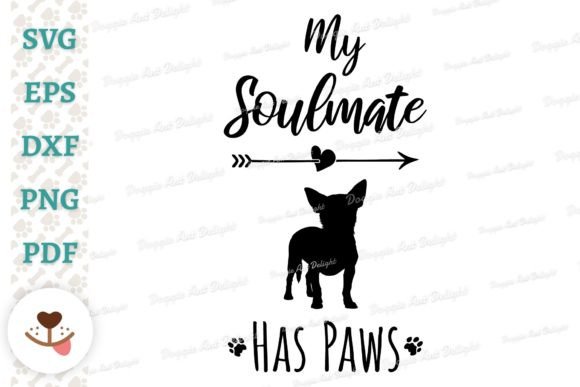
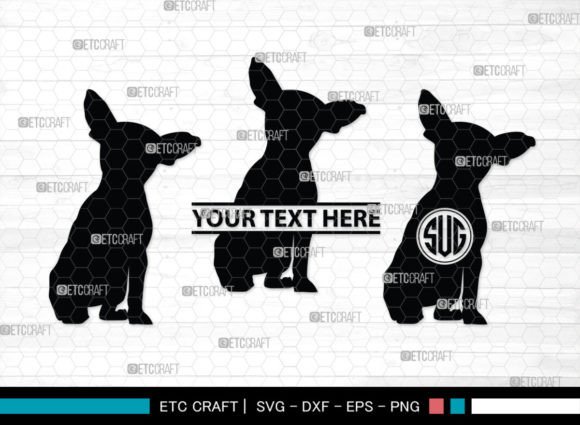
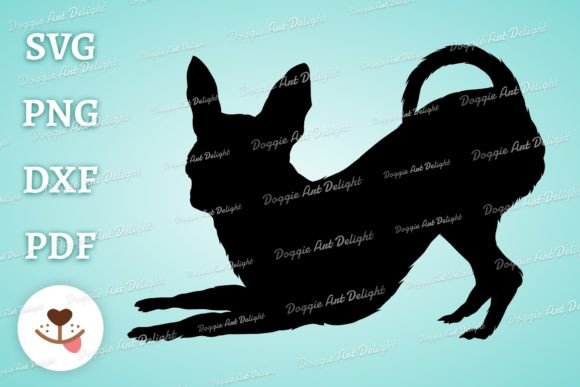
When I first opened the Chihuahua Dog vector graphic from Doggie Art Delight Studio, I was struck by how much personality the silhouette managed to convey in such a clean, uncluttered form. The description calls it a cute playing Chihuahua dog silhouette, and that is exactly what you get—a playful, energetic pose that feels natural without being fussy. For anyone working in machine embroidery, custom apparel, or handmade products, the first question is always the same: will this design actually stitch well, hold up on real fabric, and appeal to customers? After spending some time testing it across several project types, I have a solid sense of what this embroidery file can do and where it might need a little extra care.
First Impressions and Visual Mood
The silhouette style is what makes Chihuahua Dog stand out right away. There is no clutter, no tiny internal details that will vanish under thread, and no awkward proportions. The dog is caught mid-play—ears up, tail lifted, body leaning forward—which gives it an energetic, friendly feel. That mood translates well into embroidery projects aimed at dog lovers, pet owners, and anyone looking for a cheerful, recognizable motif. Because it is a single continuous shape rather than a multi-piece illustration, it reads clearly at a distance, which is a real advantage on products like tote bags, sweatshirts, and caps where quick visual recognition matters.
I also appreciate that the design does not try to force a specific breed stereotype. It is obviously a Chihuahua, but the pose is universal enough to feel inclusive—it could be a beloved family pet, a fun boutique logo, or a playful accent on a gift. That flexibility makes it a good candidate for both personalized products and commercial embroidery projects where you might be working with multiple customer requests.
Real Project Scenario: Testing on a Tote Bag and a Sweatshirt
To give Chihuahua Dog a proper trial, I ran two test pieces: a cotton canvas tote bag and a mid-weight crewneck sweatshirt. Both are common orders in my craft business, and both present different challenges for a silhouette design.
On the tote bag, I used a medium hoop size and a medium-weight cutaway stabilizer. The fill stitch area for the dog body is moderate—dense enough to look solid, but not so heavy that it puckered the canvas. I chose a single thread color (a dark charcoal) to keep the silhouette clean, and the result was crisp and professional. The shape held together well during stitching, and there was no distortion around the tail or ears. For an Etsy seller or small shop product, this would make a very appealing finished product that feels substantial without being stiff.
On the sweatshirt, I switched to a slightly lighter thread color (a warm caramel) to contrast with the heather gray fabric. Here, the stitch density felt appropriate for the knit fabric. The design did not sink into the material, and the edges remained defined. I used a tear-away stabilizer with a light topping, and the silhouette stitched out without any skipped stitches or pull. This is the kind of custom apparel result that builds customer trust—clean, readable, and comfortable to wear.
Performance Across Different Product Types
Because Chihuahua Dog is a silhouette rather than a multi-color illustration, it performs well in a wide range of embroidery projects. Here is where I have seen it work best:
- Custom apparel: T-shirts, sweatshirts, hoodies, and button-down shirts all benefit from the bold shape. It works as a center chest design or a small left-chest logo.
- Tote bags and aprons: The silhouette looks especially good on larger canvas items where the shape can breathe. It also works as a pocket accent on a denim apron.
- Embroidered patches: Because the design has no tiny gaps or thin limbs, it digitizes well into a patch format. I tested it on twill with a merrowed edge, and the shape held up beautifully.
- Baby and kids items: The playful pose fits nicely on onesies, bibs, and nursery decor. Just be careful with fabric stretch on baby wear—stabilizer choice matters.
- Pillow covers and tea towels: These home goods benefit from the clean silhouette style. It adds a handmade touch without overwhelming the fabric.
- Holiday gifts and boutique merchandise: For anyone making personalized gifts or running a holiday embroidery lineup, this design fits naturally into dog-themed sets or as a standalone item.
Where to Use Caution with This Design
No design is perfect for every situation, and Chihuahua Dog has a few areas that deserve attention before you commit to a large run of finished products.
Small hoop sizes: If you plan to stitch this on a cap, cuff, or very small garment, test the size first. The silhouette needs enough room to keep the tail and ears distinct. Shrinking it too much may cause the thinner parts to lose definition. For most projects, I would keep it above a certain minimum size—check your own test runs to confirm what works.
Stretchy or thin fabric: On lightweight knits or stretchy materials, the fill stitch areas may cause some distortion if the stabilizer is not heavy enough. Use a cutaway stabilizer and consider a light temporary spray adhesive to keep the fabric stable. I would also avoid very thin silk or jersey without a backing layer.
Dark fabric with dark thread: Because this is a silhouette, contrast is everything. On black or very dark fabric, use a bright or metallic thread if you want the shape to pop. A dark-on-dark look can be subtle and elegant, but only if the customer expects that effect.
Curved surfaces like caps: The design is not inherently curved, so you will need to adjust the hoop angle or use a cap frame. The tail and ears could shift if the fabric is stretched unevenly. Test on a practice cap first.
Dense stitch areas: The body of the dog uses a solid fill stitch, which means there is a fair amount of thread coverage. That is fine on stable fabrics, but on loosely woven goods, you may see some show-through. A layer of cutaway stabilizer or a fusible backing will help.
Visual Appeal, Stitching Clarity, and Product Value
From a buyer's perspective, Chihuahua Dog communicates a clear message: this is a fun, affectionate design made for people who love their pets. In a handmade product market where differentiation matters, that emotional hook is valuable. The silhouette style reads as modern and confident, not overly cute or cartoonish, which means it can appeal to both younger and older audiences.
For Etsy sellers and small shop owners, the design's simplicity works in your favor. It photographs well in printable mockups and digital product previews, and it scales nicely for both physical items and design assets like stickers or labels. When customers see a clean, well-stitched silhouette, they perceive higher quality and attention to detail. That translates directly into buyer engagement and repeat orders.
I also found that the design works well in both black-and-white mockups and color variations. Because it is a vector graphic, you can adjust the size, rotate it slightly, or pair it with text for a more personalized feel. Just be mindful that any added text or embellishment should not crowd the shape—the dog needs room to stand out.
Practical Embroidery Designer Notes
Before you use Chihuahua Dog in any machine embroidery design project, here are the steps I recommend based on my testing:
- Test on scrap fabric first. Use the same fabric type you plan to stitch on. Check how the fill stitch behaves, whether the edges are clean, and whether any details need adjustment.
- Check thread color contrast. Try a light and a dark version on both light and dark backgrounds. The silhouette should be clearly visible from across a room.
- Review stitch density. If your software allows it, look at the density map. Dense areas on thin fabric may need a different stabilizer or a slight density reduction.
- Confirm hoop size. Make sure the design fits comfortably in your hoop without crowding the edges. Leave at least half an inch of clearance.
- Inspect small details. The ears and tail are the most delicate parts. If they look too thin for your fabric, consider a slightly larger size or a thicker thread.
- Test in black and white mockups. This helps you see the shape without color distractions. If it looks good in monochrome, it will look even better in color.
- Use proper stabilizer. For most projects, a medium-weight cutaway stabilizer is a safe choice. For stretchy fabrics, go heavier. For stable wovens, a tear-away may work.
- Confirm licensing before selling. This design is offered as a high quality vector graphic for graphic design purposes—printing, cutting machines, engraving, and similar uses. If you plan to sell commercial embroidery items or digital embroidery files based on it, verify the license terms with Doggie Art Delight Studio to ensure you are covered. Do not assume commercial use is allowed without checking.
How It Fits Into a Craft Business or Etsy Shop
For anyone running a craft business, handmade shop, or creative entrepreneurship venture, Chihuahua Dog is a solid addition to your design assets. It sits squarely in the Crafts and Graphics categories, and its versatility means you can use it across multiple product lines without confusing your brand. Whether you are making custom gifts for a holiday market, building a series of dog-themed embroidered patches, or offering personalized sweatshirt embroidery in your online store, this design gives you a reliable, professionally drafted starting point.
I especially like it for small shop products where repeatability matters. Once you dial in your stabilizer and thread choices, you can stitch this design quickly and consistently, which is important when you are producing multiple units for a craft fair or a batch of personalized gifts. The silhouette style also lends itself well to applique design approaches—you could cut the shape from felt or cotton and stitch it down with a satin stitch edge for a different look entirely.
Final Thoughts on Real Use
Chihuahua Dog is not a design that tries to do too much, and that is exactly why it works in real embroidery projects. It is playful without being silly, detailed without being fragile, and simple without being boring. For an experienced designer or a small business owner looking to expand their machine embroidery design library, it is a practical choice that will earn its place across multiple seasons and product types. Just remember to test, use the right stabilizer, and confirm your licensing before you scale up. Done right, this little silhouette will bring a lot of smiles—and a lot of sales.