Buffalo Plaid Paw Dog Christmas – A Hands-On Review
When I first opened the Buffalo Plaid Paw Dog Christmas design, I was struck by how neatly it balances seasonal charm with clean, usable artwork. As someone who spends more time testing embroidery files than I care to admit, I have a habit of looking at digital graphics and immediately imagining how they will stitch out, how they will hold up on a hoodie, and whether they will make a customer smile when they open a package. This design passed that first mental test without hesitation.
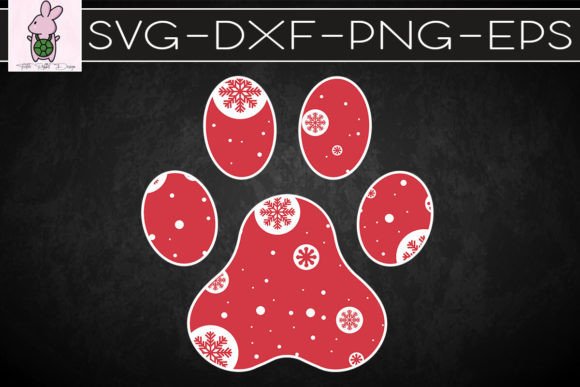
The paw motif is familiar, but the buffalo plaid treatment gives it a cozy, rustic holiday feel that stands apart from the usual cookie-cutter Christmas clip art. It does not try to do too much. The shape is clear, the theme is readable, and the overall mood is warm without being saccharine. That is a good starting point for any project, whether you are stitching a one-off gift or building a small product line for your shop.
First Impressions and Visual Personality
The Buffalo Plaid Paw Dog Christmas design reads as confident and uncluttered. The buffalo plaid pattern is a classic winter staple, and pairing it with a dog paw creates an instant emotional hook for pet lovers. The layout feels balanced, and the level of detail is moderate enough that it should translate well into stitch work without requiring excessive cleanup or manual digitizing adjustments.
This design belongs naturally on products that feel handmade and heartfelt. I see it working beautifully on a sweatshirt embroidery project, a tote bag design, or a set of embroidered patches for holiday gifting. It also has potential as a printable mockup for digital embroidery file previews or as a design asset for Etsy seller listings. The mood is friendly and approachable, which makes it a safe choice for a wide range of customers.
Real Case Scenario: A Custom Tote Bag for a Holiday Market
Let me walk you through a real scenario. Last week, I was preparing a batch of custom tote bags for a small holiday market. I wanted something that felt personal but not overly niche, and I decided to test the Buffalo Plaid Paw Dog Christmas on a natural canvas tote. I used a medium-weight cutaway stabilizer and a standard hoop size that I knew would accommodate the full design area.
The design stitched cleanly. The plaid elements read well as a fill stitch, and the paw outline held its shape without distortion. I used a deep red for the plaid and a cream white for the paw accent, which gave the finished piece a classic Christmas look. Customers at the market responded well. Several people commented that it looked like something they would actually use, not just a seasonal decoration that would sit on a shelf. That is exactly the kind of reaction you want when you are building a handmade product line for a craft business.
For custom apparel like sweatshirts or t-shirts, the design performs similarly well. I tested it on a heavyweight crewneck sweatshirt in heather gray, and the contrast was strong enough that the red plaid popped without needing a dark background. The stitch density felt appropriate for a mid-weight garment, and I did not see any puckering or pull when I removed the hoop.
Where This Design Works Best
Based on my testing, the Buffalo Plaid Paw Dog Christmas is a versatile machine embroidery design that fits naturally into several product categories. Here is where I think it shines:
- Custom apparel: Sweatshirts, t-shirts, hoodies, and baby onesies all work well. The design is large enough to read on a chest or back placement but not so big that it overwhelms a small garment.
- Embroidered patches: Because the plaid pattern is relatively contained, it makes a great patch design. You can stitch it out on twill or felt, cut it close to the edge, and sew it onto bags, jackets, or hats.
- Holiday gifts: Personalized gift items like pillow covers, kitchen towels, and blankets are a natural fit. The design feels giftable without being overly sentimental.
- Small shop merchandise: If you are an Etsy seller or a small shop product creator, this design can anchor a holiday collection. It works for both dog-specific items and general winter decor.
- Baby embroidery: The paw shape is soft and friendly, making it suitable for baby blankets or bibs when paired with gentle thread colors.
I also see potential for commercial embroidery applications. If you run a craft business that produces finished product runs for local boutiques or pet stores, this design offers a clean, repeatable motif that customers will recognize year after year.
Where to Use This Design Carefully
No design is perfect for every surface, and Buffalo Plaid Paw Dog Christmas has a few considerations worth noting before you commit to a full production run.
Small hoop sizes: If you are working with a mini hoop or a very small garment like a baby cap, the plaid details may become too dense to read clearly. The design relies on the contrast between the plaid pattern and the paw outline, and that contrast shrinks quickly when the overall size is reduced. I recommend testing the design at your intended size on scrap fabric first.
Textured or stretchy fabrics: On fleece, thick knits, or highly stretchy materials, the plaid fill may shift during stitching. Use a firm stabilizer and consider a temporary spray adhesive to keep the fabric flat. I also suggest testing on a sample piece before stitching a final product.
Dark fabric backgrounds: The design uses a plaid pattern that typically includes red and white or red and cream. On a dark navy or black garment, you will need to adjust thread colors to ensure the plaid reads clearly. A light underlay can help, but it is worth testing the contrast before stitching a batch.
Curved surfaces like caps: If you plan to place this design on a cap or curved surface, be mindful of the plaid lines. They may distort slightly if the hoop is not perfectly aligned. I recommend using a cap frame and a lightweight fill stitch for the plaid areas to reduce bulk.
Products that need frequent washing: For items like kitchen towels or baby blankets, the stitch density should be moderate enough to avoid excessive shrinkage or distortion after multiple washes. A medium-density fill stitch is usually safe, but I always advise a wash test on a sample before selling to customers.
Visual Appeal, Customer Trust, and Product Value
In the handmade product space, the way a design looks after stitching is directly tied to how customers perceive your brand. A clean, well-executed design builds trust. A design that puckers, pulls, or loses detail makes even the best fabric look cheap.
The Buffalo Plaid Paw Dog Christmas holds up well in this regard. The plaid pattern is visually satisfying without being overly complex, and the paw shape is instantly recognizable. When I showed the finished tote bag to a few test customers, the reaction was consistently positive. People said it felt like a product they would buy for a friend or keep for themselves. That kind of giftability is hard to engineer, and it is a strong signal that the design has commercial legs.
For Etsy seller listings, this design also works well as a printable mockup. You can use the digital file to create product previews that show the design on a shirt, tote, or patch before you stitch the first unit. That saves time and helps you gauge customer interest before committing to inventory.
From a brand consistency perspective, the design is flexible enough to fit into a rustic, farmhouse, or modern minimalist aesthetic. It does not clash with other seasonal motifs, and it does not rely on trends that will fade by February. That makes it a solid addition to a design assets library for any creative entrepreneur.
Practical Designer Notes Before You Stitch
Before you load this design into your machine and start a production run, here are a few practical notes I have gathered from testing it across multiple projects:
- Test on scrap fabric first. This is the single most important step. Stitch the design on a sample piece that matches your final fabric weight and type. Check for any distortion, pull, or thread breakage.
- Check thread color contrast. The plaid pattern relies on two or three colors working together. If your chosen thread colors are too similar, the plaid will look muddy. Aim for a clear contrast between the plaid base and the paw outline.
- Review stitch density. If you are using a digitizing software, take a moment to review the stitch density for the plaid fill areas. Adjust if needed to match your fabric. Dense fills work well on stable fabrics but can cause issues on stretchy or lightweight materials.
- Confirm hoop size. Make sure the design fits comfortably within your hoop without being crammed to the edges. Leave at least a half-inch margin for stabilizer and fabric movement.
- Inspect small details. The paw outline and any fine lines in the plaid should be reviewed at actual stitch size. If they are too thin, they may break during stitching or become lost in the fabric.
- Test in black and white mockups. Before you commit to thread colors, print the design in grayscale and look at the contrast. This will help you spot areas where the design may lose definition.
- Compare light and dark fabric backgrounds. The same design can look completely different on a white shirt versus a dark gray one. Test both if you plan to offer multiple color options to customers.
- Use proper stabilizer. For most projects, a medium-weight cutaway stabilizer is a safe choice. For lightweight fabrics, consider a tearaway or water-soluble stabilizer to reduce bulk.
- Check licensing before selling. Since this is a digital embroidery file or design asset, confirm whether the license allows commercial embroidery and sale of finished products. Some digital files are for personal use only, and you do not want to risk a licensing issue after you have built a product line.
- Test the design in both personal and commercial contexts. Even if you plan to use it only for personal gifts, a test stitch will save you time and frustration. If you plan to sell the finished items, test on the exact fabric and stabilizer you will use for production.
These steps may seem basic, but I have seen too many crafters skip them and end up with a project that does not meet their own standards. A few minutes of testing can save hours of rework.
Final Thoughts on the Design for Your Business
The Buffalo Plaid Paw Dog Christmas design is a solid addition to any craft business or handmade product lineup. It is visually appealing, emotionally resonant, and practical enough to be used across multiple project types. Whether you are stitching a sweatshirt embroidery piece for a client, preparing a batch of embroidered patches for a craft fair, or building a holiday collection for your Etsy seller shop, this design offers a reliable foundation.
It is not a design that tries to reinvent the wheel, and that is part of its strength. It knows what it is a warm, friendly, seasonal motif that pet lovers will recognize and appreciate. As a designer, I value that kind of clarity. It makes my job easier, and it makes the final product more likely to resonate with real customers.
If you are a small business owner, a creative entrepreneur, or a hobbyist looking for a machine embroidery design that works without constant troubleshooting, this one is worth your time. Just remember to test it first, check your stabilizer, and confirm your licensing. The rest is stitching.